
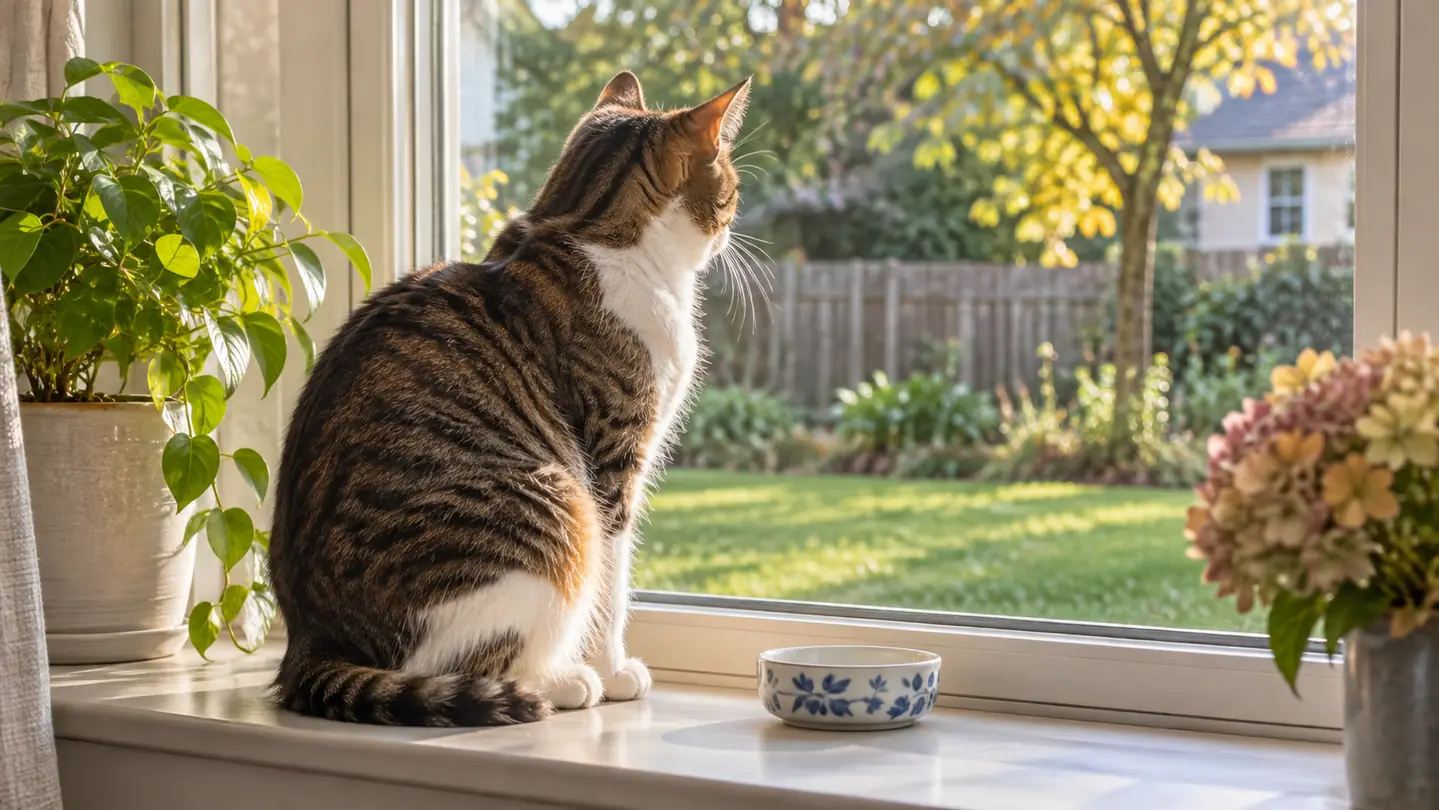
Pepper has brought up more hairballs than I can count. She is nine, indoor only, about eleven pounds, and the pickiest cat I have ever fed. Last winter her coat went dull and flaky. I spent nineteen years behind the front desk of a small animal clinic, so I know the usual advice: brush more, add fiber, and talk to your vet. I also know that advice only works if the cat will actually eat what you put down. That is why I looked at Pet Honesty hairball chews for Pepper.
Here is the short version. These are chicken flavored crunchy bites with a fiber blend and omega-3s, and they are meant to support normal hair passage and coat health. They are not a cure, and they do not replace brushing or a vet visit. But for an indoor cat like Pepper, they can make a daily routine easier to keep. I checked the label, counted the bites, and watched what changed over several weeks. Below are ten reasons they help.
A hairball routine your cat will actually finish
Pet Honesty hairball chews come in a chicken flavor with a dual texture recipe. In an independent feeding study, 9 out of 10 cats loved the taste. Start with the label and ask your vet if your cat is on medication.
Amazon See the Chews on Amazon →Helps swallowed hair keep moving through the gut
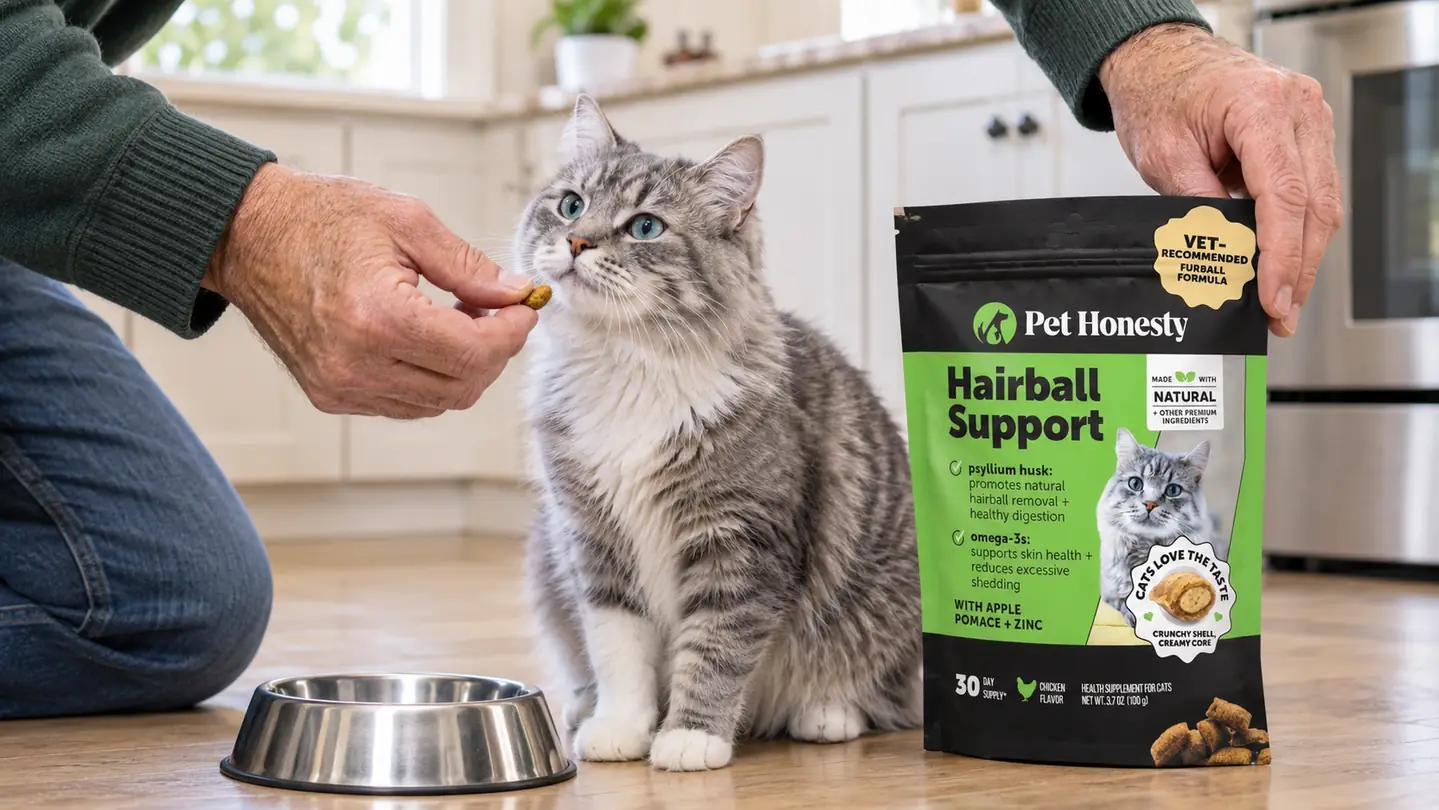
Indoor cats spend a lot of time grooming. Loose hair goes down, and sometimes it comes back up. Pet Honesty uses a fiber blend that includes psyllium husk, apple pomace, and citrus pulp. Fiber supports normal digestion, which is the plainest way I can say it. I am not promising your cat will never bring up a hairball. I am saying the chews give the gut something to work with instead of leaving the hair to sit. With Pepper, the every-few-days hairball eased to about once a week after the first month, and that was enough for me to keep going.
The fiber blend is on the label, not buried in fine print
I read a lot of cat supplement labels during my clinic years. Some list a vague blend and call it a day. The Pet Honesty label lists citrus pulp, apple pomace, and psyllium husk by name. Psyllium is the one most people know from fiber supplements. Apple pomace and citrus pulp are plant fibers. You can look them up and ask your vet about them. That matters when your cat is sensitive or when you are already juggling food changes.
Chicken flavor gets a picky cat to the dish
Pepper turns her nose up at most chews. She will eat a treat one day and act insulted by it the next. The Pet Honesty chews are chicken flavored and crunchy, and she ate the first one without the suspicious sniff. That is not a small thing. A supplement only helps if it gets eaten. The 30-day supply also gives you a fair run to see whether your cat will stick with it.
A dual texture recipe that most cats in the study accepted
The listing says the recipe has a dual texture, and an independent feeding study found 9 out of 10 cats loved the taste. I cannot verify how your cat will vote. I can tell you that a taste study is more useful to me than a fancy description. If most cats in a study accepted it, that is a decent start. Pepper is one cat, and she is on the picky end, so I watched her for the first week before I relaxed.
Omega-3s from fish oil and lecithin support the coat
A dull, flaky coat in winter is part of why Pepper gets hairballs. Dry skin means more shedding and more loose hair for her to swallow. Pet Honesty includes omega-3s from fish oil and lecithin. I am not going to tell you fish oil will turn a nine-year-old cat into a show cat. I will tell you that coat support is one of the reasons these chews made sense for us. By the end of the second month, Pepper's coat felt less like straw when I brushed her, and the brush filled up a little less.
Zinc methionine is listed for skin support
Zinc methionine is one of the active ingredients on the label. It is there for skin and coat support. I like seeing it because hairballs are not only a digestion story. Skin health, shedding, and grooming all feed into the same problem. A cat with a dry coat sheds more. A cat that sheds more swallows more. The Pet Honesty formula puts zinc methionine alongside the fiber and omega-3s, so you are not choosing between coat support and hairball support. You still need to brush.
A 30-day supply makes the routine easy to judge
One 30-day supply is a sensible way to test a supplement. I do not like buying a giant tub of something a cat may refuse. Thirty days is enough to build a habit and watch for changes. It is also enough to notice if your cat turns up her nose after week one. I marked the start date on our calendar and wrote down how often I found a hairball. By day thirty I had a real comparison instead of a vague feeling that maybe things were better.
It fits an indoor cat's grooming cycle
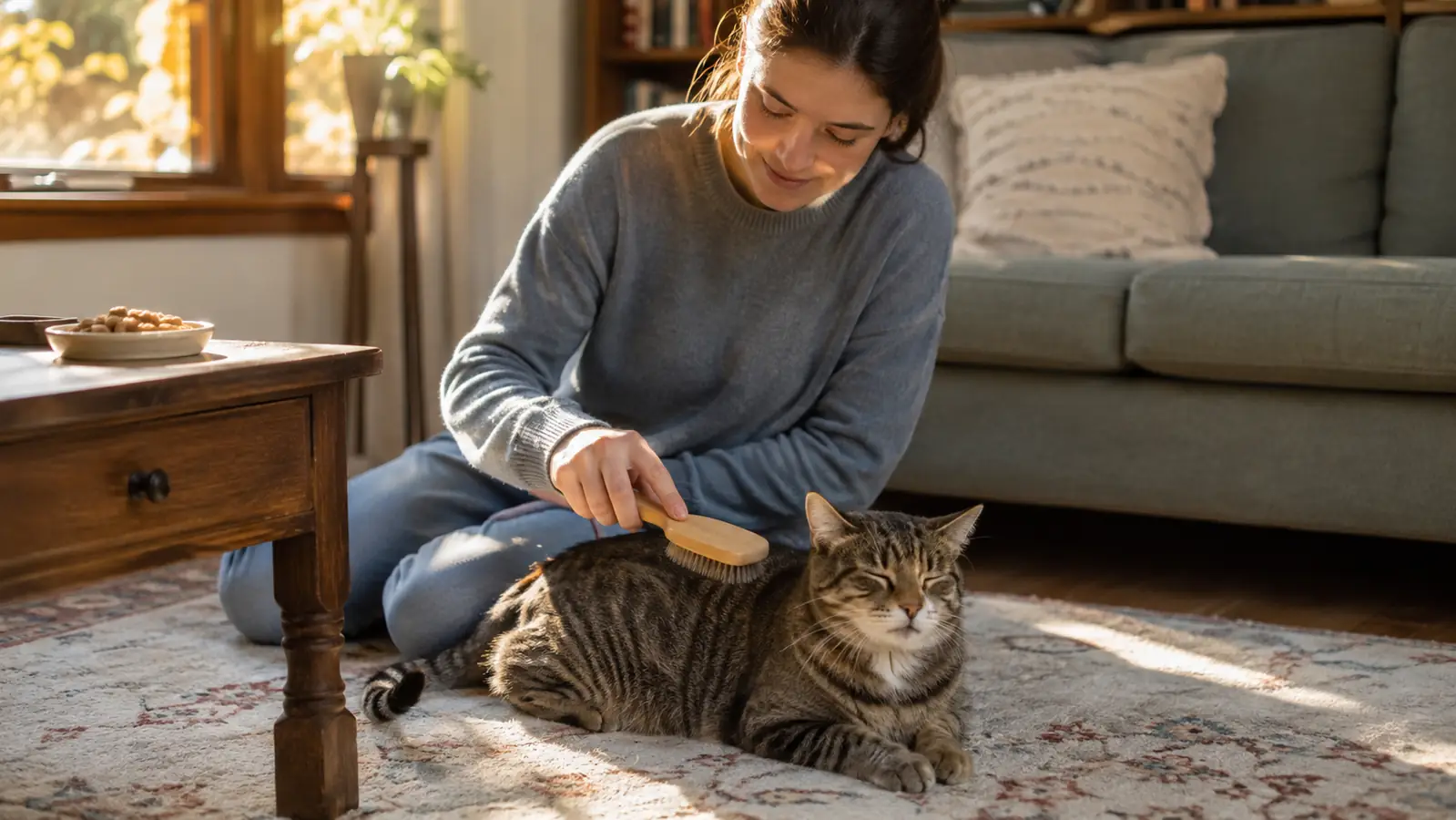
Indoor cats groom more than people think. There is less to do outside, so the routine happens on the couch and in the sunny spot by the window. Pepper spends hours on her coat. That is normal, and it is also how the hair gets swallowed. Pet Honesty chews are meant for indoor cats with hairball issues, and the serving is simple enough to fit between meals. I give Pepper hers in the morning after I brush her. Brush first, chew second, and the loose hair goes in the trash instead of down the cat.
The chews are easier than a powder or a paste
I have tried powders that turn a cat's food into a standoff. I have tried pastes that end up on my shirt. A chew is not complicated. You put it down, you see if the cat eats it, and you know where you stand. Pet Honesty makes a crunchy bite, so there is no mixing and no syringe. That matters more as a cat gets older and less patient. Pepper is nine and set in her ways. A chew she will take from my hand beats a powder she can smell from across the room. Simple as that.
Vet backed formula and a plain label to show your vet
The title says vet backed, and the label lists the active ingredients. That combination is useful when you are standing in an exam room. You can show your vet exactly what your cat is getting instead of describing a random treat. Our vet has always been good about supplement questions, and I would rather ask than guess. If your cat takes medication or has a history of blockages, ask first. A hairball chew is not a substitute for a diagnosis. It is a support tool, and it should be treated like one.
What I'd Skip
I would skip these if your cat is a true non-eater. Some cats will not take a chew no matter how it is flavored, and that is not a failure on your part. I would also skip them if your cat is vomiting often, losing weight, or straining in the litter box. Those are vet conversations, not supplement conversations. Pepper had a hairball problem, not a blockage. That distinction matters. If you are unsure, call your vet before you buy anything. And if your cat is on medication, ask about interactions first. A chew is a small daily tool, not a cure.
The goal is not zero hairballs forever. The goal is fewer rough days and a cat that still lets you brush her.
Start with one 30-day supply and a brush
Pet Honesty hairball chews are chicken flavored and easy to count. Brush your cat, offer one chew, and write down what you see for a month. Then call your vet if anything looks off.
Amazon See the Chews on Amazon →